
Chef’s Specials
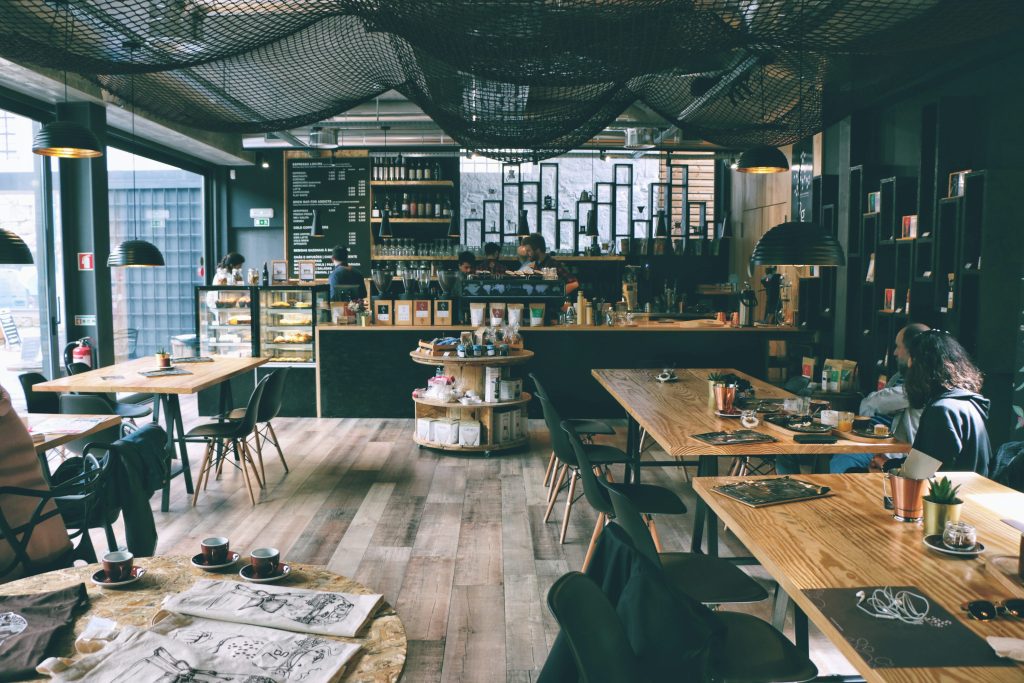
Serving you luxury vibes only.
Luxury vegetarian highlights from the Cafe in master kitchen
OUR STORY.
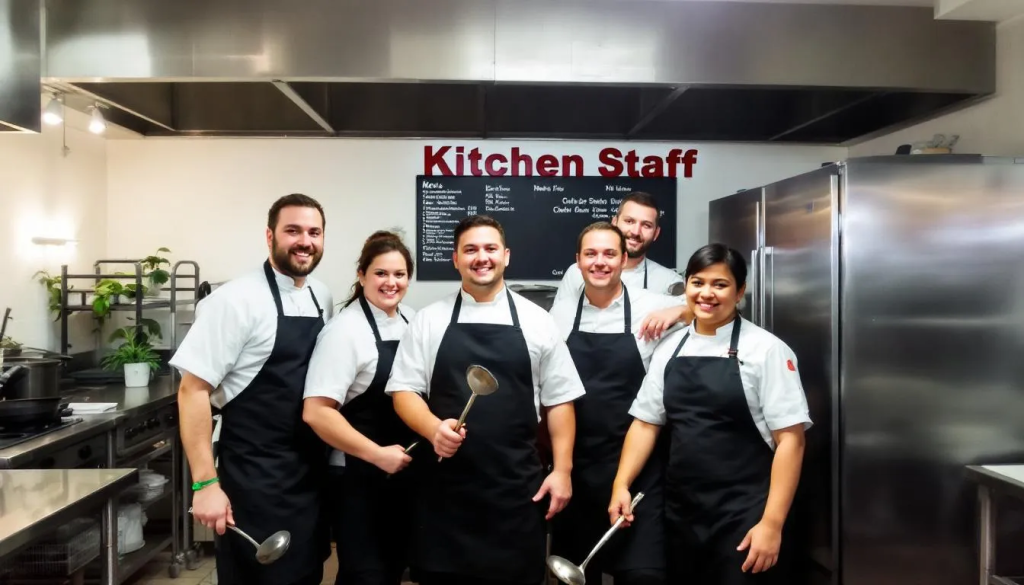
Behind every smoothly running restaurant kitchen lies a carefully organized team working with precision and purpose. This framework, known as the kitchen brigade or brigade de cuisine, is far from outdated. It remains the backbone of kitchens everywhere, from upscale fine dining to bustling casual spots, ensuring consistent quality, speed, and coordination throughout service. In this guide, we’ll break down the full kitchen brigade hierarchy, detail the responsibilities of each station, and explore how adopting this time-tested system can boost your kitchen’s efficiency, improve staff training, and elevate the quality of every dish served.
1. Chef de Cuisine (Executive Chef)
The Chef de Cuisine leads the entire kitchen operation. In larger kitchens, they may cook less and focus more on:
- Designing and developing the menu
- Managing staffing and scheduling
- Controlling budgets and liaising with vendors
- Setting quality, hygiene, and safety standards
- Collaborating closely with the restaurant manager
They oversee training, delegate to sous chefs and station heads, and carry ultimate responsibility for food quality and consistency.
2. Sous Chef (Sous Chef de Cuisine)
The Sous Chef is second-in-command and the kitchen’s key problem solver. Their duties include:
- Supervising daily kitchen operations
- Coordinating stations during service
- Filling in for absent staff and leading stations as needed
- Ensuring food quality and presentation are flawless
- Handling scheduling, training, and disciplinary matters
In fast-paced kitchens, the sous chef is everywhere—checking prep, managing orders, and keeping the service flowing.
3. Chef de Partie (Station Chef)
Each Chef de Partie is a specialist responsible for a specific kitchen section. They manage their station’s prep, execution, and commis chefs. Common station chefs include:
| Position | Specialty | Example Dishes |
|---|---|---|
| Saucier | Sauces, stews, sautéed items | Hollandaise, demi-glace |
| Poissonnier | Fish and seafood dishes | Grilled trout, shellfish stew |
| Rôtisseur | Roasted and braised meats | Roast duck, lamb shank |
| Grillardin | Grilled foods | Ribeye steak, skewers |
| Friturier | Fried items | Tempura, fried calamari |
| Entremetier | Vegetables, soups, egg dishes | Soups, mashed potatoes |
| Pâtissier | Pastries, baked and cold desserts | Tarts, ice creams |
| Garde Manger | Cold dishes and salads | Hors d’oeuvres, charcuterie |
| Boucher | Butchering meats and fish | Portioning proteins |
| Tournant | Relief chef who rotates stations | All types, as needed |
4. Commis Chef (Junior Chef)
The Commis Chef is typically an apprentice or recent culinary graduate. Working under a chef de partie, they assist with:
- Basic knife skills and food prep (washing, chopping, peeling)
- Station setup and cleanup
- Learning cooking techniques by shadowing seniors
This role is critical for developing foundational culinary skills and preparing chefs for higher responsibilities.
5. Garde Manger (Pantry Chef)
Specializing in cold dishes, the Garde Manger manages:
- Salads and dressings
- Hors d’oeuvres and charcuterie
- Cold soups and frozen desserts
This role demands creativity, attention to detail, and expertise in cold storage and presentation.
The Brigade System in Modern Kitchens
Originally designed for fine dining, the classic kitchen brigade system still holds valuable lessons for modern and casual restaurants. Today, many kitchens adapt the model by:
- Combining stations (for example, one line cook managing both grill and fry)
- Cross-training chefs across multiple areas
- Using sous chefs as versatile leaders who oversee several roles
- Delegating cold kitchen and dessert prep to a single pâtissier
Even food trucks and fast-casual brands benefit from clearly defined roles and astreamlined chain of command.